


Structured Settlements

A Time-Tested Approach to Long-Term Financial Planning

A structured settlement is a financial arrangement that provides settlement proceeds through a series of scheduled payments rather than—or in addition to—a single lump-sum payment.
Structured settlements are commonly used in personal injury, wrongful death, workers’ compensation, and other types of claims. Payment plans can be customized around an individual’s anticipated needs, providing access to funds today and scheduled payments for the future.
For decades, structured settlements have been supported by federal law as a way to help injured individuals and their families plan for long-term financial stability.

What is a Structured Settlement?
A structured settlement is a series of periodic payments to an injured party, typically funded through an annuity issued by a life insurance company and purchased by the defendant or a qualified assignment company. For qualifying physical injury and wrongful death claims, payments are guaranteed by the issuing life insurer and may be excluded from federal income tax.
Structured settlements provide scheduled future payments by the issuing life insurance company, instead of immediate cash.
How Structured Settlements Work
Instead of receiving the entire settlement in cash, an individual can choose to allocate some or all of the settlement to future payments.

Those payments can be designed in many ways, including:
- Monthly or annual income
- Payments for future medical or care expenses
- Larger payments at specific milestones
- Education funding
- Future housing or major purchases
- Income beginning at retirement
- Lifetime payments
- A combination of immediate cash and future payments
Once established, the payment schedule is fixed and generally cannot be changed, providing predictability about when and how much will be received. Structured settlements provide scheduled future payments by the issuing life insurance company, instead of immediate cash.
The History of Structured Settlements
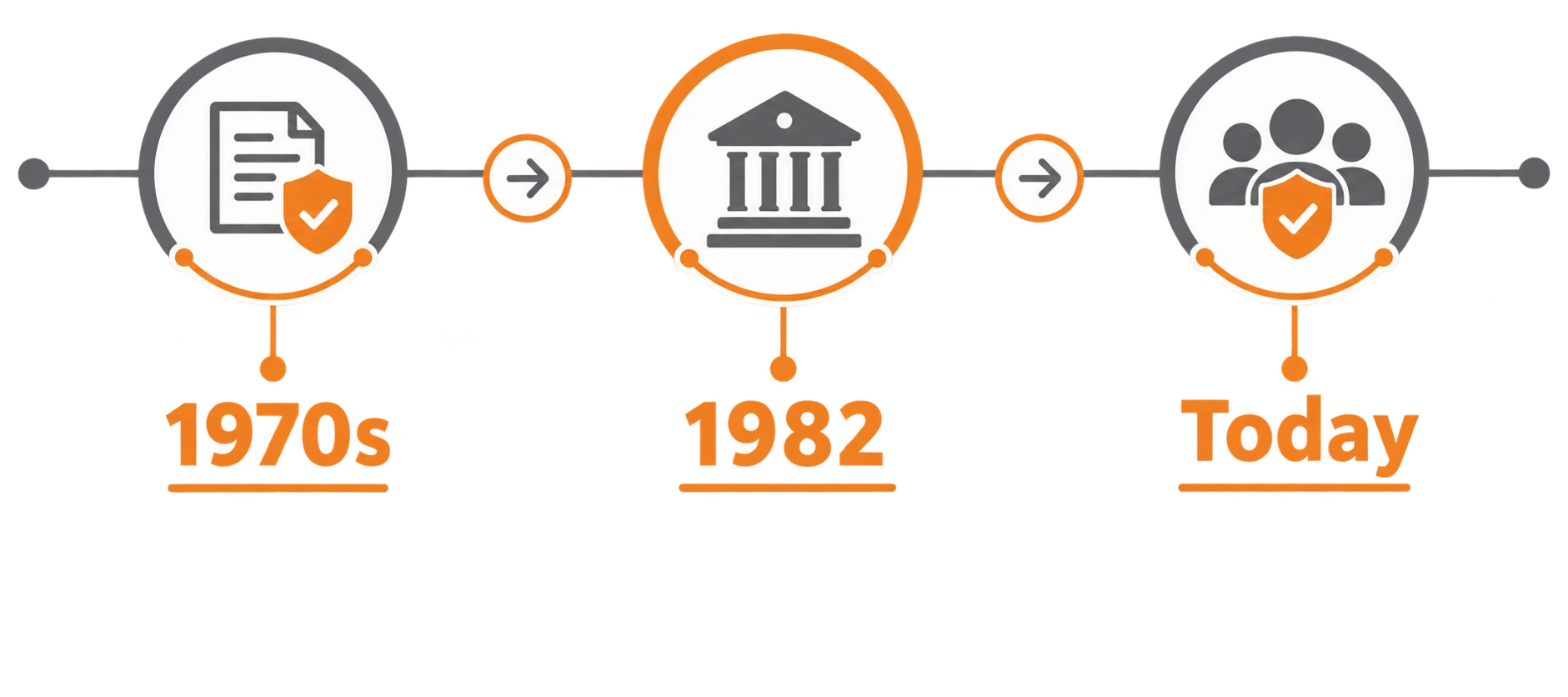
The modern structured settlement industry developed in North America during the 1970s, gaining early prominence in cases involving children born with birth defects linked to the drug thalidomide.
Rather than resolving these cases solely through lump-sum payments, periodic payment arrangements were used to provide funds over time to help address the injured individuals’ continuing needs.
As structured settlements became more widely used in personal injury cases, the federal government established a formal legal and tax framework supporting them.
A Foundation in Federal Law
A significant milestone came with the Periodic Payment Settlement Tax Act of 1982, which established important federal tax rules for structured settlements.
Under Section 104(a)(2) of the Internal Revenue Code, damages received on account of personal physical injuries or physical sickness generally may be excluded from the recipient’s gross income, subject to applicable requirements and exceptions.
The Act also added Section 130, creating the framework for a qualified assignment. Through a qualified assignment, the obligation to make future structured settlement payments can be transferred to a qualified assignment company, which typically purchases an annuity from a life insurance company to fund those payments.
Together, these provisions helped establish the framework that continues to support qualified structured settlements today.
Built for
the Individual

One of the greatest advantages of a structured settlement is its flexibility at the time the settlement is designed.
A payment plan can be created around anticipated medical expenses, income needs, education, retirement, or other important milestones. Structured settlements can also be coordinated with Special Needs Trusts, Medicare Set-Asides, professional administration, and other settlement planning strategies when appropriate.
The result is more than a payment schedule—it is a settlement designed around the individual’s future.

Experience Matters
Structured settlements involve important financial, legal, and tax considerations, and the decisions made before a settlement is finalized can have long-term consequences.
Ringler Consultants work with injured parties, attorneys, claims professionals, and other settlement professionals to explain available options, model payment scenarios, and help develop settlement strategies tailored to the circumstances of each case.
With decades of experience and a nationwide network of Consultants, Ringler helps bring clarity, expertise, and thoughtful planning to the settlement process.
Start the Conversation
A structured settlement can provide much more than future payments. When designed thoughtfully, it can help provide predictability, long-term stability, and confidence about what comes next.
A settlement resolves the case.
A structured settlement can help provide for the future.


